Ordering structural sheet goods sounds simple until the truck calls from the gate and nobody can find the site contact. This is where jobs get delayed, labour stands around, and the day goes sideways.
This guide breaks down what typically affects delivery, lead times, and access when ordering F14 Grade Plywood on Australian sites, from metro builds to regional projects.
What is typically included in a delivery for F14 Grade Plywood?
Most deliveries include the sheets on a flatbed or tautliner, strapped and sometimes corner protected, with a delivery docket and basic product identification. If the supplier offers it, they may include crane unload or forklift unload as an added service.
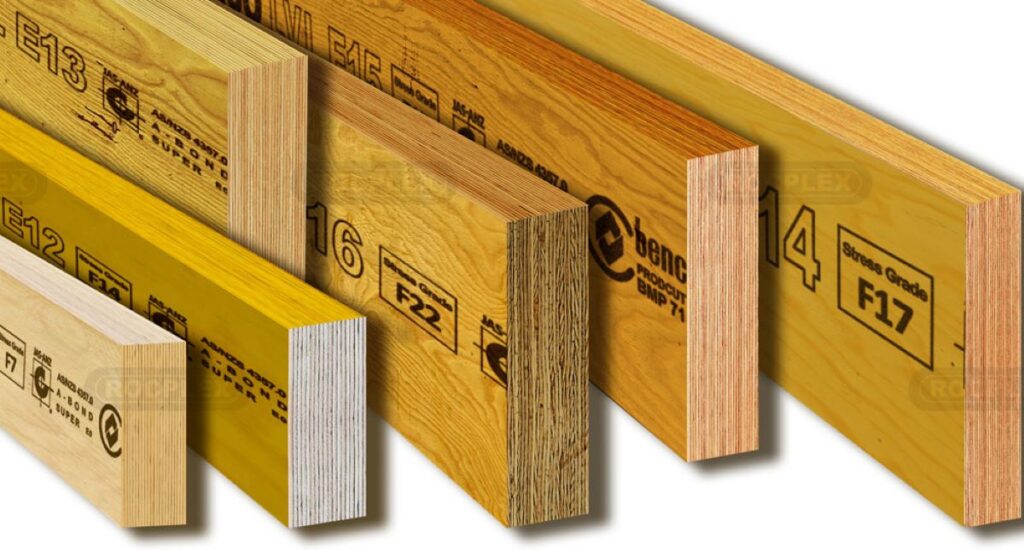
For F14 Grade Plywood, they should confirm sheet thickness, sheet size, bond type, and whether it is treated or untreated before dispatch.
How far in advance should they order F14 Grade Plywood?
They should order as soon as the framing or formwork programme is known, ideally one to two weeks ahead for metro areas. Regional or remote deliveries should be booked earlier, especially where freight runs are limited.
For F14 Grade Plywood, the safest approach is to order once quantities are measured off drawings and they have a clear drop date window, not a single “must arrive by” morning.
What lead times are common in Australian metro areas?
In Sydney, Melbourne, Brisbane, Perth, and Adelaide, lead times can be short when stock is available, sometimes a few business days. When stock is tight or a specific brand or treatment level is required, it can push out to one to three weeks.
With F14 Grade Plywood, lead times often depend on what is sitting in the local warehouse that week, not what is listed on a website.
Why do lead times blow out without warning?
Supply can shift quickly due to housing demand, large infrastructure pours, weather events, and shipping delays on imported lines. Even local production gets affected by resin supply, plant maintenance, or sudden spikes in structural demand.
When F14 Grade Plywood is specified for compliance reasons, substitutions are harder, so they may have to wait rather than swap to “something close”.
What information should they confirm before booking delivery?
They should confirm sheet count, pack sizes, total weight, and whether the load is split across multiple packs. They should also confirm delivery address format, site contact name, phone number, and site opening hours.
For F14 Grade Plywood, they should also confirm the paperwork they need on arrival, including any chain of custody notes if the project has strict procurement rules.
How do they choose the right delivery vehicle for the site?
They should match the truck to the access, not the other way around. Tight suburban streets suit smaller rigid trucks, while open industrial sites can take semis and B-doubles, subject to local restrictions.
If F14 Grade Plywood is going to an inner city build with loading zones, they will usually need a booked slot and a truck that can unload quickly or wait legally.
What site access details should they provide to avoid failed delivery?
They should provide gate width, turning space, overhead hazards, driveway slope, and whether there is a hardstand for unloading. They should also mention school zones, clearway times, and any “no truck” council signage nearby.
Where F14 Grade Plywood is needed on level 2 or behind hoarding, they should explain the last 30 metres of access clearly, not just the street address.
Who is responsible for unloading, and what is “kerbside” in practice?
Kerbside delivery usually means the driver places the load at the nearest safe point the lorry can access, not where the builders wish it landed. Unloading may be the receiver’s job unless a forklift, HIAB, or crane service is booked.
For F14 Grade Plywood, they should not assume the driver will hand unload sheets, especially full structural packs.
Do they need a forklift, crane, or HIAB for F14 Grade Plywood?
If they are receiving full packs, a forklift is the most common solution on residential and light commercial sites. For multi-storey or restricted access, a HIAB or site crane lift is often needed, booked to match the lorry’s arrival window.
Because F14 Grade Plywood packs can be heavy and awkward, they should plan the unload method before confirming the delivery day.
How should they manage deliveries on inner city sites?
They should book a timed slot, confirm traffic controller needs, and check if the site has a loading bay height restriction. They should also confirm how long the lorry can legally stop and whether they need permits for lane occupation.
For F14 Grade Plywood into CBD areas like Sydney or Melbourne, missed slots can mean re-delivery fees plus a day or two delay, which hurts more than the freight cost.
What changes for regional, remote, or mine site deliveries?
They should expect fewer freight runs, longer transit times, and stricter cut-off times for dispatch. Weather and road closures can be a genuine risk in parts of Queensland, WA, and the NT, especially in wet season conditions.
When F14 Grade Plywood is heading to a regional job, they should confirm the freight carrier, tracking process, and what happens if the site is unmanned when the lorry arrives. Check out more about Develop knowledge of plywood.
How can they reduce damage risk during transport and unloading?
They should request packs remain strapped until positioned, avoid dragging sheets, and keep them off wet ground. On arrival, they should check for edge crush, water staining, delamination signs, and fork tine damage before signing as received.
With F14 Grade Plywood, early damage reporting matters because structural materials can be rejected by supervisors or certifiers if they look compromised.
How should F14 Grade Plywood be stored on site after delivery?
They should store it flat, level, and raised on bearers with a cover that still allows airflow. They should avoid wrapping it airtight in plastic if moisture can sweat inside, and they should keep it away from standing water and mud.
If F14 Grade Plywood is for formwork, they should still store it properly because swollen edges and cupped sheets waste time and create poor finishes.
What paperwork and compliance checks should they expect?
They should expect invoices, delivery dockets, and product identification that matches the specification. Some projects also require evidence the sheets meet the relevant Australian Standards, plus treatment declarations where applicable.
With F14 Grade Plywood, they should keep documentation in the site file because structural queries often happen after the sheets are already installed.
What site communication prevents delivery day confusion?
They should nominate one site contact, provide a backup number, and share clear instructions on where the lorry should report. They should also ensure the unloading equipment is on site and available, not “shared with another crew somewhere”.
For F14 Grade Plywood, even a 20 minute delay can cascade into detention charges, rescheduling, and missed concrete pours.
What costs commonly get added to deliveries?
Common add-ons include re-delivery fees, detention time, timed delivery surcharges, tail lift fees, and special vehicle requirements. Remote area levies and after-hours deliveries also add up quickly.
When ordering F14 Grade Plywood, they should ask upfront what the “free time” is for unloading and what the per minute detention rate is, because it is rarely forgiving.
What is the simplest checklist they can use before confirming the order?
They should confirm quantity, sheet sizes, required grade, delivery date range, and unload method. They should confirm access constraints, book any permits, and make sure someone can sign and inspect on arrival.
For F14 Grade Plywood, the cleanest outcomes usually come from boring preparation. The site is ready, the truck fits, the unload is booked, and the sheets go straight where they are needed.
More to Read : What to Specify When Ordering Concrete Form Plywood
FAQs (Frequently Asked Questions)
What is typically included in a delivery for F14 Grade Plywood on Australian sites?
Most deliveries include the sheets loaded on a flatbed or tautliner truck, strapped and sometimes corner protected, accompanied by a delivery docket and basic product identification. Suppliers may offer crane or forklift unload as an added service. For F14 Grade Plywood, they should confirm sheet thickness, size, bond type, and treatment status before dispatch.
How far in advance should F14 Grade Plywood be ordered for metro and regional projects?
It is best to order F14 Grade Plywood as soon as the framing or formwork programme is known—ideally one to two weeks ahead for metropolitan areas. For regional or remote deliveries, orders should be placed earlier due to limited freight runs. Ordering once quantities are measured from drawings and a clear drop date window is established ensures smoother delivery.
What are common lead times for F14 Grade Plywood deliveries in Australian metro areas?
Lead times in cities like Sydney, Melbourne, Brisbane, Perth, and Adelaide can be as short as a few business days when stock is readily available. However, if stock is limited or specific brands or treatments are required, lead times can extend from one to three weeks. Availability often depends on local warehouse stock rather than online listings.
What site access information should be provided to avoid delivery delays of F14 Grade Plywood?
Providing detailed site access information such as gate width, turning space, overhead hazards, driveway slope, and presence of hardstand unloading areas is essential. Additionally, mentioning school zones, clearway times, and any local ‘no truck’ signage helps prevent failed deliveries. For deliveries to upper levels or behind hoardings, clear details about the last 30 metres of access are crucial.
Who is responsible for unloading F14 Grade Plywood deliveries and what does ‘kerbside’ delivery mean?
‘Kerbside’ delivery means the driver will place the load at the nearest safe point accessible by the truck—not necessarily where builders want it landed. Unloading is usually the receiver’s responsibility unless forklift, HIAB crane services are booked. Due to the weight and bulk of full structural packs of F14 Grade Plywood, drivers typically do not hand unload sheets.
How should F14 Grade Plywood be stored on site after delivery to maintain quality?
F14 Grade Plywood should be stored flat and level on bearers raised off the ground with a cover that allows airflow. Proper storage prevents moisture damage such as water staining or delamination. Keeping sheets off wet ground and protected from weather helps maintain structural integrity until use.
Categories: LVL Formwork Timber

Leave a Reply