It suits everything from slabs and walls to heavy-duty beam formwork, especially where programs are tight and quality control matters.
What is LVL formwork timber, and why do crews rely on it?
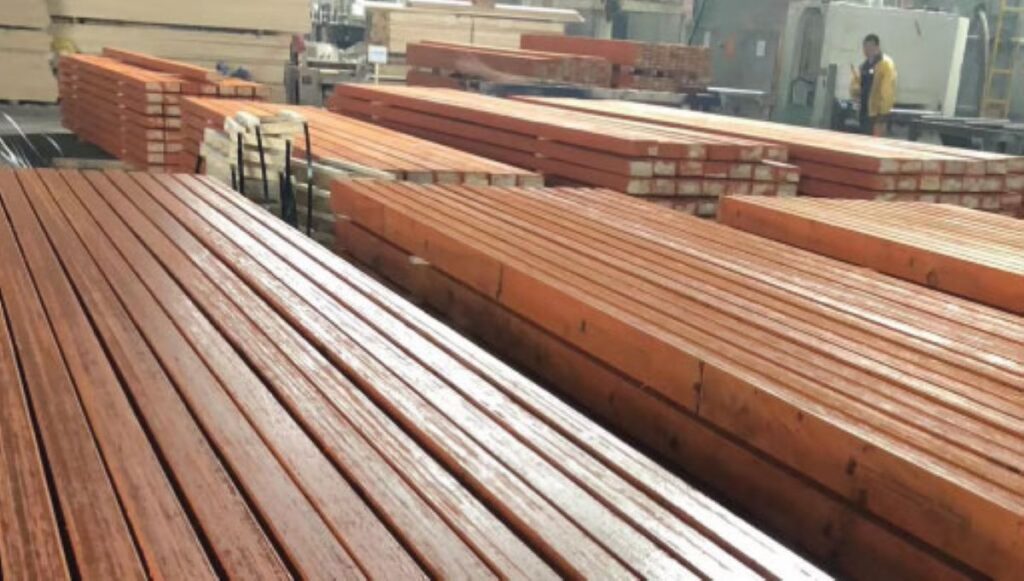
LVL formwork timber, or laminated veneer lumber, is made by bonding thin wood veneers together with the grain aligned for strength. Crews rely on it because it behaves predictably from piece to piece, which reduces on-site surprises.
For formwork, that consistency helps teams set levels faster, maintain line and plumb, and reuse components with fewer defects compared with lower-grade solid timber.
How does LVL improve strength and load performance on site?
LVL typically delivers higher and more uniform structural capacity than many comparable solid timber members. That matters for formwork because loads are not just static, they include wet concrete pressure, vibration, and construction traffic.
With more dependable stiffness, LVL can help reduce excessive deflection that leads to blowouts, misalignment, and surface finish issues. This is especially valuable in large pours and tall wall forms.
Why is straightness and dimensional stability such a big advantage?
LVL is engineered to be straighter and more stable, so it is less likely to twist, bow, or cup during storage and use. That stability makes it easier to keep forms true, which supports better tolerances.
In commercial and civil projects, small deviations can ripple into costly rework. Stable members help reduce time spent packing, re-leveling, and correcting edges before a pour.
How can LVL help speed up formwork installation and stripping?
LVL’s uniform sizing and predictable behavior can make layouts more repeatable across cycles. When components fit as expected, crews spend less time sorting timber, rejecting warped lengths, or adjusting props and walers.
During stripping, straighter members are also less likely to bind or jam against panels and hardware. That can shorten turnaround times, which is often a key driver on multi-level builds and infrastructure programs. Click here to get more about Rebar Supply in Australia: What Builders Should Look For?
What does LVL change about reusability and lifecycle costs?
LVL can deliver better reusability because it resists the gradual distortion that makes formwork harder to reset accurately. When members stay straight across cycles, they remain useful for longer before being downgraded.
That can lower lifecycle costs in two ways: fewer replacements over the project and less labor spent working around degraded timber. For contractors running repetitive pours, those savings add up quickly.
How does LVL support quality finishes and tighter tolerances?
Better alignment and reduced deflection generally support better concrete outcomes. When forms are true and stable, they are more likely to deliver consistent edges, flatter surfaces, and fewer visible defects caused by movement.
On projects with architectural concrete, exposed elements, or strict specification requirements, LVL’s consistency can help teams meet finish standards without excessive patching or grinding.
Where does LVL fit best in commercial and civil formwork systems?
LVL is commonly used for bearers, joists, walers, and strongbacks where straightness and load capacity matter. It is also used in modular formwork setups where repeatability and speed are priorities.
It tends to perform well on suspended slabs, bridge decks, retaining walls, culverts, and other structures where formwork must hold shape over longer spans or under higher pressures. You may like to visit https://www.safework.nsw.gov.au/hazards-a-z/formwork to get more about safe formwork.
What should project teams check before choosing LVL formwork timber?
They should confirm the product’s intended formwork use, available sizes, and any treatment or sealing options that suit site conditions. They should also check compatibility with their formwork system, including connectors, clamps, and typical spacings.
Storage and handling matter too. Even engineered timber performs best when kept off the ground, protected from standing water, and rotated to avoid localized damage that shortens reuse cycles.
FAQs (Frequently Asked Questions)
What is LVL formwork timber, and why do construction crews prefer it?
LVL (laminated veneer lumber) formwork timber is engineered by bonding thin wood veneers with aligned grain for enhanced strength. Crews prefer it because it offers consistent quality, predictable performance, and reduces on-site surprises, enabling faster leveling, better line and plumb maintenance, and fewer defects compared to lower-grade solid timber.
How does LVL improve strength and load-bearing capacity on construction sites?
LVL provides higher and more uniform structural capacity than many solid timber alternatives. This superior stiffness helps withstand dynamic loads such as wet concrete pressure, vibrations, and construction traffic, reducing excessive deflection that can cause blowouts, misalignment, or surface finish issues—especially important in large pours and tall wall forms.
Why is the straightness and dimensional stability of LVL formwork timber important?
LVL’s engineered straightness and dimensional stability minimize twisting, bowing, or cupping during storage and use. This stability ensures forms remain true to design tolerances, reducing costly rework caused by deviations. It also decreases time spent on packing, re-leveling, or edge corrections before concrete pours in commercial and civil projects.
In what ways does LVL speed up formwork installation and stripping processes?
Due to its uniform sizing and predictable behavior, LVL enables more repeatable layouts across cycles. Components fit as expected, reducing sorting time and rejection of warped pieces. During stripping, straighter members are less prone to binding or jamming against panels and hardware, shortening turnaround times—crucial for multi-level builds and infrastructure projects.
How does using LVL affect reusability and overall lifecycle costs in formwork applications?
LVL resists gradual distortion that typically degrades formwork accuracy over time. Its ability to maintain straightness across multiple uses extends the lifespan of components before they require replacement. This durability lowers lifecycle costs by reducing material replacements and labor associated with managing degraded timber—resulting in significant savings on repetitive pours.
How does LVL contribute to achieving higher quality concrete finishes with tighter tolerances?
The improved alignment and reduced deflection of LVL support consistent edges, flatter surfaces, and fewer defects caused by movement during concrete setting. For projects involving architectural concrete or strict specification standards, LVL’s consistency helps meet finish requirements effectively without excessive patching or grinding.
Categories: LVL Formwork Timber

Leave a Reply